Connected Gear Risk
Modern travelers no longer pack just a smartphone and a laptop. Remote executives, digital nomads, and property owners now travel with complex ecosystems of smart home equipment. This portable infrastructure includes everything from smart security cameras like the Arlo Pro 5 and portable mesh routers like the Netgear Orbi to smart home hubs, environmental monitors, and connected health trackers.
When you take these sophisticated IoT devices outside the home, you subject them to intense environmental and logistical hazards. A standard airline baggage handler does not treat a hard-cased mobile smart lighting array or a portable automated projection system with the technical care required for delicate internal circuit boards.
Data from the Association of British Insurers indicates that while standard travel medical claims remain stable, claims involving high-end consumer electronics and connected hardware have climbed by 18% over the last two years. This shift highlights a major gap in modern risk management for digital property on the move.
The Coverage Deficit
The primary pitfall for tech-reliant travelers is assuming that a standard travel policy or basic homeowners insurance will cover remote smart hardware. A traditional single-trip travel policy usually imposes a "single-item limit" that maxes out between $150 and $400. If your $1,200 mobile multi-room audio controller or your smart home server gets crushed in transit, you face a major out-of-pocket loss.
Furthermore, standard policies categorize smart home devices in a gray area. They are not classic "luggage," nor are they standard "laptops." If an automated drone camera used for property inspection or an advanced smart lock setup is stolen from a rental vehicle, standard insurers routinely deny the claim by citing commercial use exclusions or strict un-attended vehicle clauses.
Relying on the "unspecified valuables" section of a policy creates notification anxiety and financial exposure. Without a specialized endorsement, you are essentially self-insuring complex hardware configurations that are highly susceptible to water damage, drop impacts, and localized customs seizures during international border crossings.
Specialized Tech Solutions
High-Limit Gadget Upgrades
To safely travel with mobile smart hubs, connected environmental sensors, or high-tier smart cameras, you must add a dedicated gadget upgrade to your travel insurance policy. Providers like Post Office Travel Insurance and Europesure offer optional add-ons that explicitly expand coverage to specialized electronic devices, pushing aggregate tech limits up to $2,000 or $3,000.
In practice, these upgrades raise the single-item limit to at least $1,000. This ensures that if an expensive smart component—such as an automated power management system or a premium smart watch acting as a biometric home trigger—is damaged, the reimbursement value covers actual replacement rather than a nominal fraction.
Worldwide Contents Extensions
Before purchasing standalone travel insurance, review your primary residential contents policy. Top-tier providers like AXA and Feather offer premium tiers that include worldwide coverage for electronic equipment outside the primary residence. This approach extends protection to smart tech even when it is used temporarily in a foreign hotel or a short-term rental.
Under these plans, your portable smart devices are protected against burglary, water damage from burst hotel plumbing, and electrical surges caused by unstable foreign power grids. This provides an unbroken safety net without requiring a separate policy for every short trip.
Commercial Tech Protection
If you travel frequently for business and deploy smart environmental monitors, connected asset trackers, or mobile security cameras on location, you need an executive plan. The Allianz Partners AllTrips Executive Plan, for instance, includes up to $1,000 to cover the rental costs of temporary replacement equipment if your primary gear is lost or delayed by a common carrier.
This commercial angle prevents the standard "business use" exclusion denial. It protects the specialized remote worker who uses portable smart sensors to evaluate air quality or structural security at a temporary field site, ensuring that business continuity is maintained even when primary hardware fails.
All-Risk Damage Clauses
When selecting an endorsement for smart home tech, look for "all-risk" accidental damage protection. Specialized digital insurers like nextsure provide coverage that explicitly includes user error and clumsiness. This is vital for smart home gear, which often suffers damage during self-installation or calibration in a new environment.
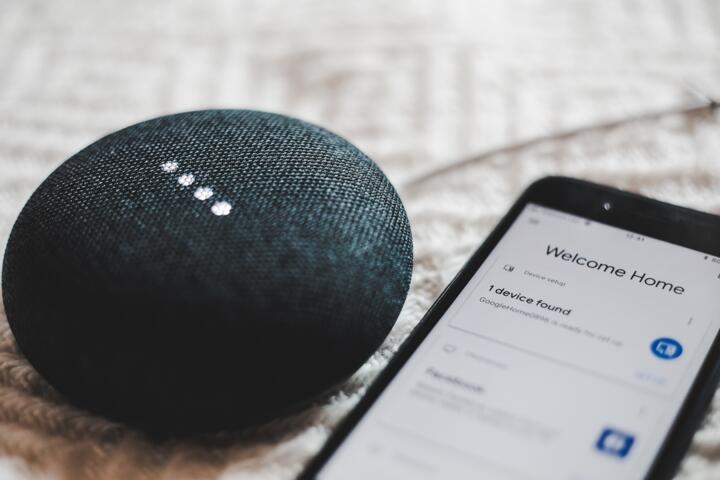
If you drop a smart speaker into a hotel sink while configuring a temporary voice-command setup, or if a short circuit occurs while plugging an advanced smart hub into an incorrect international voltage adapter, an all-risk clause ensures you are covered. Standard travel policies routinely exclude these specific scenarios as operator neglect.
Cyber Risk Add-ons
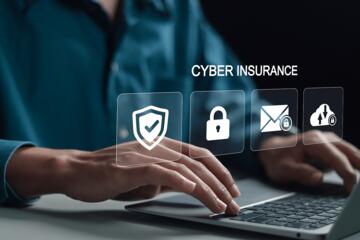
Portable smart home equipment is uniquely vulnerable to digital interference. When you connect a smart hub or a security camera to a public hotel network, you expose the hardware to malware, unauthorized access, and firmware corruption. Some modern tech-forward insurance plans now offer optional cyber protection endorsements.
This coverage pays for professional data recovery, malware removal, and financial losses resulting from unauthorized data transmission via your compromised smart device. This is an essential layer of security for anyone running a mobile server or using connected hardware to manage remote properties from afar.
Real-World Scenarios
A remote technology consultant, operating out of a temporary co-living space in Lisbon, deployed a portable smart security array consisting of three Arlo cameras and an LTE mesh router. A severe electrical storm caused a major power surge through the building's older wiring, frying the internal components of the router and two plugged-in charging bases.
The consultant's standard travel insurance denied the claim, citing a lack of direct lightning strikes on the property. However, because he carried a specialized gadget endorsement with an all-risk electronic surge clause, the provider approved a $1,150 payout within 14 days, allowing him to replace the hardware immediately and secure his workspace.
In another instance, a real estate investor traveling through Germany had a high-end smart lock calibration kit and an iPad Pro stolen from a locked rental car trunk in Frankfurt. Because her premium contents policy featured a worldwide extension with a 100% valuation tier for valuables, the entire $2,100 loss was covered, bypassing the standard $250 vehicle theft limit.
Policy Type Breakdown
| Type | Single Limit | Surge Cover | User Error |
|---|---|---|---|
| Standard | $150 - $400 | Excluded | No |
| Gadget Add | $1,000+ | Included | Varies |
| Premium | Full Value | Included | Yes |
| Business | $1,000+ | Included | No |
Common Pitfalls To Avoid
The single largest operational failure when claiming smart tech losses is the lack of a documented paper trail. Insurers require proof of purchase and precise serial numbers for every smart hub or connected camera. If you cannot provide an original invoice or a digital receipt showing the itemized cost, the adjuster will default to a depreciated baseline value.
Another critical error is failing to file a local police report within 24 hours of a theft. Whether your smart home gear is taken from a hotel room or a rental car, insurance companies will reject the claim without official documentation from local law enforcement. Relying solely on a hotel manager's incident log is a quick path to claim denial.
Finally, avoid ignoring the strict security mandates hidden in your policy's fine print. Many gadget upgrades require that when tech is left in a hotel room, it must be locked inside a digital safe or a hard-sided suitcase with a TSA-approved lock. Leaving a smart home hub exposed on a desk can void your coverage entirely under "failure to take reasonable care" clauses.
FAQ
Are smart locks covered?
If the smart lock is uninstalled and carried in your luggage as a mobile component or a replacement part, it can be covered under a specialized gadget rider. Once it is permanently attached to a physical structure abroad, it usually falls outside traditional travel coverage and requires building or commercial property insurance.
Does baseline insurance cover surges?
No, standard travel insurance rarely covers electronic surge damage unless it is a direct consequence of a catastrophic fire. To protect your smart gear from voltage spikes caused by foreign electrical grids, you must ensure your policy includes a dedicated mechanical breakdown or accidental damage endorsement.
Should I inventory my gear?
Yes, you must maintain a digital asset manifest. Before departing, take clear photos of your smart home devices alongside their serial numbers, and save the original purchase receipts to a secure cloud server like Google Drive or iCloud. This provides irrefutable proof of ownership during a claims process.
What if my data gets stolen?
Physical travel insurance only covers the replacement value of the hardware. It will not compensate you for lost data, compromised smart home accounts, or proprietary configurations. To mitigate this risk, you must add a cyber risk option to your policy or utilize standalone cyber liability coverage.
Are rental property smart tools covered?
If you are a landlord setting up smart home tech in a foreign rental property, travel insurance will not cover those items. Once the gear is left permanently on-site for tenant use, it must be protected via a localized landlord insurance policy that explicitly includes smart home systems and fixtures.
Author's Insight
In my years managing remote real estate portfolios, I have learned the hard way that an unexpected voltage spike in a foreign Airbnb can instantly destroy a $1,500 portable smart tech stack. I never travel abroad without a dedicated gadget endorsement that specifies replacement value rather than actual cash value. Taking five minutes to log your hardware's serial numbers and verifying your policy's single-item limits before you board a flight is the difference between a seamless hardware replacement and a devastating out-of-pocket loss.
Summary
Protecting portable smart home equipment during international travel requires a deliberate departure from baseline insurance assumptions. Standard baggage policies are fundamentally unsuited for the high financial valuation and unique risk profiles of modern IoT hubs, security arrays, and connected monitors. By securing high-limit gadget upgrades, leveraging worldwide residential contents extensions, and strictly adhering to policy documentation rules, you can eliminate notification anxiety and safeguard your digital infrastructure anywhere in the world.