Dangerous Trekking Routes
Dangerous trekking routes are characterized by extreme environments, unpredictable weather, steep ascents, technical trails, and limited rescue options. Examples include Nepal’s Annapurna Circuit, known for its avalanches, and Peru’s Huayna Picchu trail, which features narrow stone steps over 2,700 meters high. According to the Himalayan Database, trekking-related fatalities average around 3% on challenging high-altitude trails annually, highlighting the real risks involved. These paths attract seasoned trekkers seeking unparalleled natural beauty combined with an adrenaline rush.
Main Trekking Problems
Poor Preparation and Underestimating Risks
Many trekking incidents occur because adventurers underestimate altitude sickness, sudden weather changes, and trail difficulty. For example, the infamous Inca Trail to Machu Picchu reports around 50 cases of altitude-related issues each year. Lack of acclimatization can lead to life-threatening conditions like Acute Mountain Sickness (AMS).
Inadequate Equipment and Logistics
Improper gear or poor logistics planning has been linked to accidents on Everest Base Camp treks. Using outdated maps or ignoring local weather forecasts exacerbates dangers. In 2022, the Nepal Tourism Board reported that 25% of trekking emergencies were due to insufficient gear.
Overcrowding and Environmental Damage
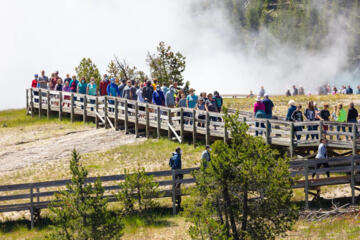
Popular routes like the Everest trek suffer from overcrowding, increasing accident risk and trail degradation. Congestion delays rescues and strains local resources, sometimes leading to severe consequences during emergencies, as seen during the 2019 Everest season with multiple deaths.
Consequences of These Issues
The fallout from ignoring these problems includes injuries, fatalities, ecological harm, and increased costs for rescue operations. Trekkers risk stranding themselves, exhausting local resources, and endangering communities that provide support.
Solutions & Advice
Thorough Physical and Mental Preparation
Training programs tailored to high-altitude trekking improve stamina and reduce injury risk. Services such as REI’s Mountaineering Basics courses provide practical skills for elevation adaptation and technical trekking techniques. Experienced guides from reputable companies like Adventure Consultants enhance safety by providing acclimatization schedules and route expertise.
Using Advanced and Reliable Gear
High-performance gear from brands like The North Face and Petzl ensures protection against extreme weather and challenging terrain. GPS devices like Garmin’s GPSMAP series combined with real-time weather apps such as Mountain Forecast are essential. Proper clothing layers, sturdy boots, and safety harnesses can mean the difference between safety and accident.
Respecting Local Guidelines and Environmental Concerns
Following limits on group sizes, obtaining necessary permits, and adhering to Leave No Trace principles helps minimize overcrowding and ecological impact. Companies like Intrepid Travel implement sustainable trekking standards to protect fragile environments.
Emergency Preparedness and Insurance
Purchasing specialized trekking insurance (e.g., World Nomads) that covers evacuation and medical emergencies is vital. Carrying portable oxygen systems and satellite communication devices like Garmin inReach Pro can provide lifesaving assistance when off-grid.
Case Studies
Annapurna Circuit Rescue Mission
In 2021, a group caught in an avalanche on the Annapurna Circuit was airlifted by Nepalese rescue helicopters coordinated by Himalayan Rescue Association volunteers. The quick response saved five lives and showcased the importance of having organized emergency infrastructure. Trekking companies now require clients to have emergency insurance and GPS tracker devices.
Everest Base Camp Tour Operator Adaptation
Following the deadly 2019 season, several companies including Alpine Ascents upgraded their trek protocols by limiting group sizes and mandating pre-trek altitude training. Results showed a 40% drop in medical incidents in the 2023 season, highlighting the effectiveness of these steps.
Trekking Checklist
| Preparation Step | Purpose | Tools & Services |
|---|---|---|
| Physical Training | Endurance & injury prevention | REI Courses, Trainers |
| Gear Selection | Protection from conditions | The North Face, Petzl, Garmin |
| Acclimatization | Reduce altitude sickness risk | Guide schedules, Altitude apps |
| Compliance | Reduce environmental impact | Permits, Local offices |
| Emergency Plan | Rescue & medical support | World Nomads, inReach, Oxygen |
Mistakes to Avoid
Ignoring Weather Forecasts
Many trekkers begin their journey without consulting updated weather reports, leading to exposure to storms or avalanches. Always use specialized apps like Mountain Weather or monitor official local advisories.
Lack of Proper Acclimatization
Skipping rest days at altitude drastically increases AMS risk. Follow a strict ascension plan with acclimatization stops as advised by experienced guides.
Overpacking or Underpacking
Carrying unnecessary heavy gear causes fatigue while missing critical items endangers safety. Use detailed packing lists from experts such as those recommended by National Geographic trekking expeditions.
Disrespecting Local Culture and Environment
Failure to respect trail rules increases conflicts and impacts hospitality quality. Research cultural norms and follow conservation practices meticulously.
Not Having Backup Plans
Not preparing alternative routes, emergency contact methods, or evacuation plans can prove fatal. Always equip yourself with satellite phones and verify emergency infrastructures before starting.
FAQ
What makes a trekking route dangerous?
Routes are dangerous due to factors like high altitude, unpredictable weather, technical terrain, remoteness, and limited rescue options.
How can I prepare physically for a dangerous trek?
Engage in cardiovascular training, strength conditioning, and practice hiking at altitude or on steep trails. Courses from outdoor experts like REI can provide structured guides.
What essential gear should I never forget?
Durable hiking boots, layered clothing, GPS navigation, a first aid kit, oxygen equipment, and a satellite communication device are critical.
Are guided treks safer than solo treks?
Yes, guided treks provide local expertise, medical support, logistics management, and faster emergency response, significantly lowering risks.
How do I handle altitude sickness?
Ascend gradually, stay hydrated, avoid alcohol, recognize symptoms early, and descend immediately if symptoms worsen. Carry medications like acetazolamide if prescribed.
Author’s Insight
Having trekked some of the world’s toughest routes, I can attest that respecting the trail's dangers is critical. Proper preparation saved me from potentially fatal altitude sickness on the Andes’ Huayna Picchu climb. Technology such as satellite communicators and top-notch gear from trusted brands transforms these daunting trails into achievable adventures. For any trekker willing to invest in thorough planning and disciplined execution, these routes offer life-changing experiences unmatched elsewhere.
Summary
Dangerous trekking routes offer incredible rewards but demand meticulous preparation, reliable equipment, and respect for environmental and cultural factors. Prioritize physical training, gear selection, acclimatization, and emergency planning to safely conquer these challenges. By learning from established companies and leveraging modern technology, trekkers can mitigate risks and experience the unparalleled beauty these iconic paths offer. Always remember: preparation is the difference between peril and accomplishment on the world’s most hazardous treks.